
How Kindergarten in Toowoomba Teach Life Skills through STEAM
Early childhood is usually a period where learning meets curiosity and growth. When these three factors combine, the child is almost unstoppable. In Toowoomba, many kindergartens are abandoning outdated teaching methods and embracing new teaching techniques.
One striking example is the use of STEAM in early childhood. STEAM is an abbreviation for Science, Technology, Engineering, Arts, and Mathematics. So rather than teaching students using theories and book diagrams, they are also introduced to real hands-on experiences. This way, kids learn important life skills that they carry on to the advanced stages of learning.
Ways Toowoomba kindergartens teach life skills through STEAM
1. Learning problem-solving through science
Science activities at Toowoomba kindergartens often involve simple experiments like mixing colours and growing plants. During these activities, children often get curious and ask many questions to understand how the process happens. The questions they ask coupled with the teacher’s response, teach them problem-solving skills. The experiments usually teach them to think critically and try new things to see a different result.
2. Building creativity with the arts
Art is also not left behind in the STEAM approach. It mainly encourages children to think outside the box on how to come up with new things that can capture attention. The teachers guide them and encourage them to create new things from their imagination. In most cases, art usually goes well with other disciplines like science. For instance, if a kid is told to build a model bridge, it helps them to combine creativity and practical thinking.
3. Understanding teamwork through engineering projects
For engineering projects, children need to work together to accomplish the goals of the project. For example, they may be asked to build with blocks. So they need to work together to come up with something amazing that looks practical. Overall, this teaches kids the importance of teamwork and cooperation and makes them appreciate everyone’s contribution to the team.
4. Developing confidence with technology
Today, learning in the classroom is incomplete without technology. Children at this level need things that keep their learning fun and interesting to capture their attention. As such, you will find learning tablets with educational games installed. There are also coding toys that teach kids how to give commands, and this can help them develop a lifelong desire to learn coding.
5. Growing numeracy skills through mathematics
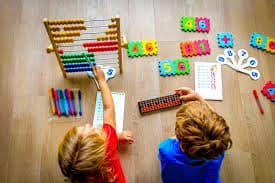
At kindergarten, maths is not used to punish kids by forcing them to memorise numbers. Instead, the teachers introduce play-based activities that can teach kids important maths lessons in counting, patterns, shapes and measuring. You will find children trying to remember how to count by counting every block they lift as they build their project.
6. Connecting learning to the real world
Learning through the STEAM approach is very efficient because it connects different subjects to real-world problems. Children can understand how things around them work more easily from this approach. So kids not only find learning a school thing, but they can also practise it at home with the tools they have.
Final Thoughts
Many
Kindergarten programs in Toowoomba have employed the STEAM approach in their curriculum to ensure kids get exposed to real-world, hands-on, practical experiences that can raise their curiosity to want to learn more. Through this approach, kids gain relevant skills like problem solving, teamwork and creativity.